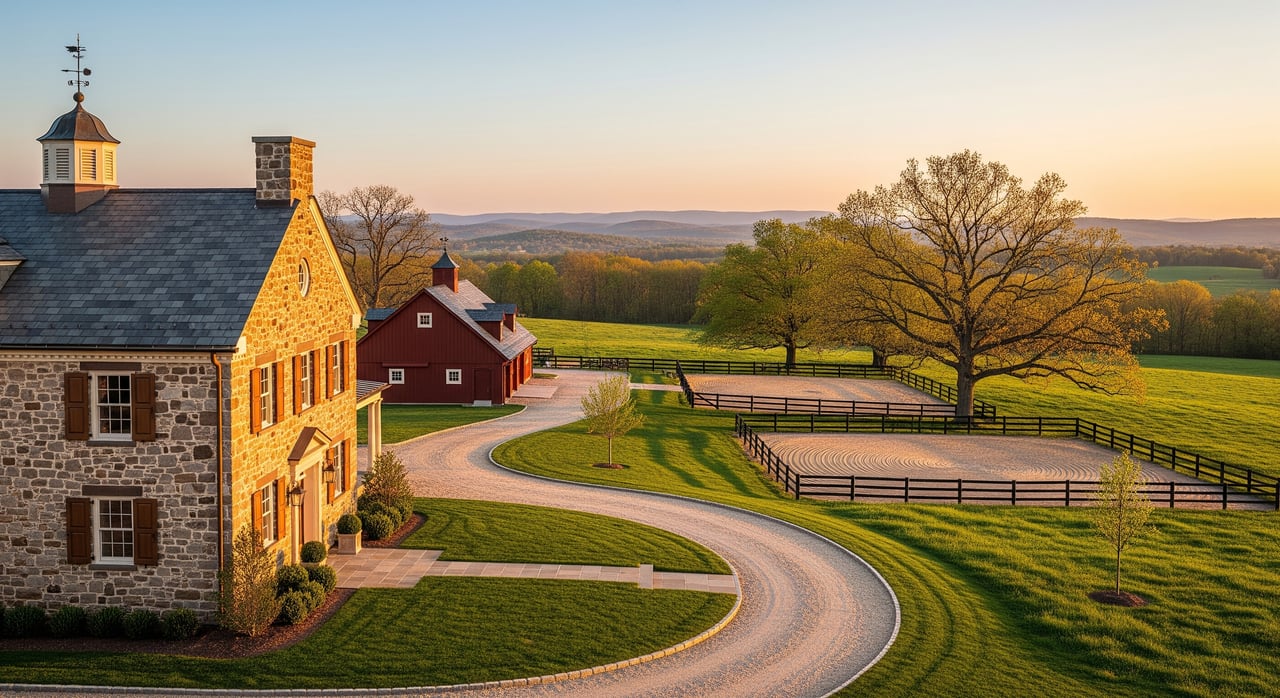
Craving mountain views in the morning and quiet stars at night, yet still close enough to the Washington area for work and culture? If you’re picturing horses in the pasture, weekends on a vineyard lawn, and a slower, more intentional pace, Bluemont might be the chapter you have been waiting to start. This guide will show you what life feels like here, from daily rhythms and trail access to property basics and practical planning. Let’s dive in.
Where Bluemont sits
Bluemont is a small, unincorporated community in northern Virginia at the base of the Blue Ridge Mountains near Snickers Gap. It sits in Loudoun County at the western edge of the Washington metropolitan area. The setting is distinctly rural and low density, with larger land parcels as you head toward the ridge.
What you notice first is the land itself. Ridge-top views, wooded hollows, open pastureland, and winding streams frame day-to-day life. It is quieter and more country than suburban towns to the east like Purcellville and Leesburg.
Daily rhythms and scenery
Seasons shape the pace of Bluemont. Spring and summer bring deep greens and long evenings outside. Fall arrives with ridgeline color that draws day visitors for drives, hikes, and vineyard events. Winter can include occasional weather that affects rural roads, so you plan ahead on those days.
Life feels hands-on and outdoors. You might sip coffee while the fog lifts off the fields, or finish a trail run as the sun breaks past the ridge. Evenings often end with woodsmoke in the air and an easy silence you will not find in town.
Outdoor recreation and trails
If you love hiking or trail running, living near the Blue Ridge is a daily advantage. The Appalachian Trail and nearby ridge trails are within a short drive, with trailheads accessed from local gaps and roads. Many residents also use quiet country roads and farm lanes for walking and hacking horses.
For bigger backcountry days, regional state and federal lands are within reach. The Shenandoah National Park and Skyline Drive region to the south and west offer longer wilderness hikes. Travel times vary by exact address and route, so it helps to map your likely trailheads before or after a showing.
Farms, wine, and local food
Bluemont is part of Northern Virginia’s horse and wine country. Around the hamlet you will find vineyards, boutique wineries, farm stands, and seasonal agritourism like pick-your-own and harvest events. Many residents join local CSA programs or source from small producers, which makes weekly meals feel more connected to the land.
Weekends are livelier in late summer and fall when visitors arrive for foliage and vineyard outings. If you prefer quiet, plan errands early or enjoy the calm of your own property until the day-trippers head home.
Equestrian life
If you own horses or plan to, Bluemont fits naturally into the Northern Virginia equestrian tradition. You will see private barns, run-in sheds, fenced pastures, and a network of quiet roads used for conditioning. Local boarding and stables exist throughout the area, and many properties include turnout and space to add arenas.
When you tour horse properties, keep the evaluation practical and clear. Fencing quality and layout, barn construction, run-in placement, water access, and manure management all influence safety, time, and long-term costs. For competitive riders, proximity to show facilities, trainers, and local hunt communities can be a deciding factor.
Everyday services and small-town rhythm
The hamlet itself is intentionally small. You will likely do routine shopping, dining, and services in nearby towns such as Purcellville, Round Hill, Middleburg, and toward Leesburg. Many residents batch errands, plan medical appointments in town, and treat a dinner out as part of a day’s loop east.
Civic life tends to center on volunteer fire and rescue, agricultural groups, equestrian associations, and small community organizations. Seasonal events are common, from vineyard gatherings to farm-stand weekends.
Real estate at a glance
Property types range from small hobby farms to larger agricultural parcels, country estates on several acres, and specialized equestrian facilities. Turn-key horse properties do exist, but many buyers choose homes that need targeted upgrades like fencing, barn improvements, or a new arena.
Zoning and conservation basics
Rural zoning and agricultural districts commonly apply in this part of Loudoun County. Before you plan an addition or an extra dwelling, check county zoning maps, permitted uses, and minimum lot-size or split rules. Conservation easements are common tools in Northern Virginia and can limit development or dictate building envelopes. If you hope to subdivide or add a guest house, large barn, or new arena, review easement status and county permits early in your process.
Due diligence for horse owners
Use this quick checklist when evaluating a prospective property:
- Pasture health and drainage, including rotation options.
- Fencing type, height, condition, and gate placement.
- Barn layout, ventilation, stall size, and hay or bedding storage.
- Safe water access in every paddock and field.
- Manure storage and removal plan that meets local rules.
- Exercise areas, trailer access, and space for a ring or round pen.
- Legal trail access or safe routes on quiet country roads.
- Setbacks and any local limits on the number of animals.
Utilities and infrastructure
Many rural homes rely on private wells and septic systems. Build in time for well-water testing and a full septic inspection, and ask for service records to understand maintenance history. Electrical service to remote lots can include long feeder lines, so some owners add a generator or consider solar and battery systems.
Road access is another practical detail. Confirm whether your driveway is private or county maintained, and ask how snowfall or heavy rain affects it. Broadband availability varies by parcel in the countryside. Before you make an offer, confirm current providers and speeds using county resources or provider tools.
Commuting and regional access
Bluemont is part of the broader DC region, but it is a true country address. Commuting is possible, yet longer than suburban drives. Travel times depend on your destination and route choice, including local connections to Routes 7 and 673, then toward Leesburg, Dulles, or I-66.
If you plan regular trips to Washington, Arlington, or Tysons, map your likely routes at peak hours and try a test drive before deciding. Some buyers explore park-and-ride options or hybrid schedules that cut down on daily mileage.
Costs, insurance, and upkeep
Taxes for rural property vary by county and assessed value. Insurance needs for farms and equestrian uses can differ from a typical suburban policy, especially if you maintain a barn, accept boarders, or need equine liability coverage. Ask for quotes that reflect how you will actually use the land.
Large parcels require ongoing care. Budget for fencing repairs, pasture management, driveway grading, and maintenance of outbuildings. These are not just costs, they are part of the lifestyle you are choosing, and they pay off in safety, function, and long-term property value.
Is Bluemont a fit for you?
Choose Bluemont if you want land, views, and a way of living tied to the seasons. You will trade short errand runs and dense amenities for privacy, trail access, and a daily connection to the Blue Ridge. You will also embrace practical planning, from well and septic care to winter road awareness and weekend visitor patterns.
If that balance sounds right to you, the rewards are real. You get sky and silence, room for horses or gardens, and a country culture that still connects to the Washington area when you need it.
Start your Bluemont search
If you are drawn to Bluemont’s horse-and-wine landscape and want expert, one-on-one guidance, connect with a local specialist who understands how land, barns, and lifestyle fit together. Work with Kristin Dillon-Johnson for a bespoke plan, targeted tours, and thoughtful representation from first call to closing. Schedule a free consultation and start shaping your Hunt Country life.
FAQs
How far is Bluemont from Washington, DC?
- Bluemont sits on the outer edge of the metro area, so commute times are longer than suburban drives. Map your exact destination and test routes at peak hours to set expectations.
Will I have riding trail access from my property in Bluemont?
- Many properties offer access to private farm lanes and quiet country roads, and public trailheads for the Appalachian Trail are nearby. Confirm legal trail access and any routes that cross private land before you buy.
Are there wineries, farms, or markets near Bluemont?
- Yes, the area features vineyards, small farms, farm stands, and seasonal agritourism. Verify specific business names, hours, and seasonal schedules during your search.
Where will I find groceries, schools, and medical services?
- Most residents use nearby towns for routine needs. Confirm the closest grocery and urgent care or hospital, and verify public school assignments by address through the county’s lookup.
What utilities should I expect on a rural Bluemont property?
- Many homes use private wells and septic systems, with variable broadband service by parcel. Ask about road maintenance responsibility, and consider backup power options for storm resilience.
Will weekends feel crowded in Bluemont?
- Good-weather weekends bring day visitors for vineyards and fall foliage, especially near scenic spots and trailheads. The effect varies by exact property location, and many residents plan errands accordingly.