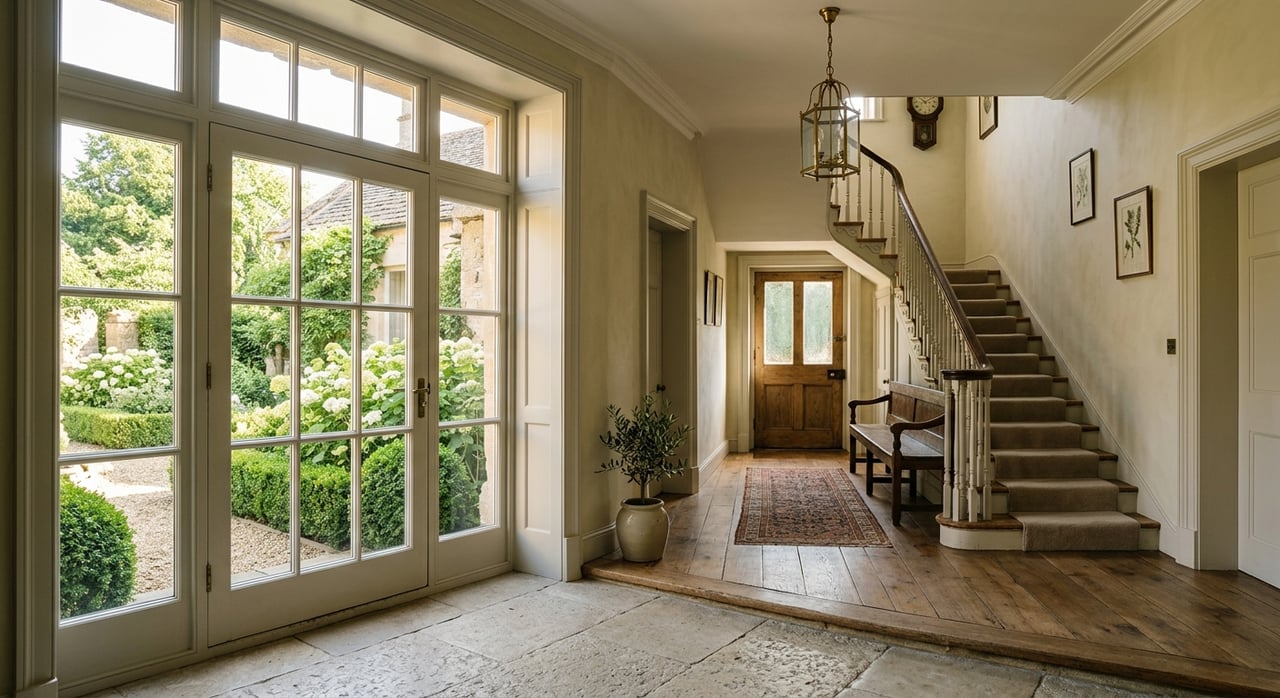
If you are getting ready to sell a Hunt Country estate in Middleburg, you are not just preparing a house for showings. You are preparing a whole property story, from the front drive to the paddocks, barns, and paperwork that shape how buyers understand the land. In a market where beauty and function matter equally, the right prep work can help your estate feel polished, legible, and ready for serious interest. Let’s dive in.
Why Middleburg estate prep is different
Middleburg is a small historic town of about 670 residents, and the town describes itself as the Nation’s Horse and Hunt Capital. That local identity matters because buyers here are often evaluating more than square footage or finishes inside the main house.
In this part of Loudoun County, equestrian use is woven into the rural landscape. Loudoun County’s rural policy treats the equine industry as a fundamental part of the rural economy and encourages land suited to grazing, hay, riding, trails, and equine-support businesses. That means your property should present as both elegant and practical.
A buyer looking at a Middleburg estate will often notice how the house, land, barns, fencing, and circulation work together. If those elements feel orderly and intentional, your listing is more likely to read as a well-stewarded Hunt Country property instead of a generic luxury home.
Start with the approach and first impression
Before photography or marketing begins, focus on what a buyer sees first. In many Middleburg estate listings, the approach tells buyers a lot about the property before they ever step inside.
Pay close attention to the drive, gates, fencing, field edges, outbuildings, and visible service areas. These details help communicate stewardship, which is a major part of buyer expectations in Hunt Country.
Your goal is not to over-design the property. It is to make the estate feel clean, cared for, and easy to understand at a glance.
What to review outside
- Front entrance and gate condition
- Gravel or paved drive appearance
- Fence lines and any obvious repairs
- Mowing and field-edge maintenance
- Barn exteriors and stable doors
- Service areas that should be screened or tidied
- Outdoor lighting that looks clean and restrained
If you are planning any visible exterior upgrades before listing, pause and confirm what approvals may be required first.
Check local rules before making changes
In Loudoun County, zoning and site considerations can affect what you can change on a property. The county notes that issues can include property size, floodplain, mountainside overlay, limestone overlay, historic district status, private access easements, and private covenants.
Some development changes may also go through site plan review, including items that involve landscaping, drainage, lighting, and public safety. If you are thinking about adding hardscape, revising drainage, changing lighting, or installing an accessory structure before listing, it is smart to check county requirements first.
Historic District rules can be especially important
If your estate is within the Middleburg Historic District, exterior changes visible from a public street may require an approved Certificate of Appropriateness. According to the town, that can include additions, roofing or siding changes, door and window replacements, exterior paint changes, fences, signs, sheds, detached garages, gazebos, and decks.
Routine maintenance and exact in-kind repair are excluded, but a change in form, material, or color can trigger review. The town also emphasizes shielded, downward-directed exterior lighting, which is especially relevant if you want to refresh the grounds without creating glare or visual clutter.
Make the equestrian layout easy to read
For many buyers in Middleburg, the equestrian setup is not a side feature. It is the heart of the property. If your estate includes horse facilities, buyers should be able to understand the program quickly and clearly.
That means the barn and pasture systems should not feel hidden or confusing. The layout should show how horses, people, and vehicles move through the property in a practical way.
Key features buyers often want to grasp quickly
- Stall layout
- Tack and feed storage
- Wash areas
- Arena footing and access
- Paddock rotation and turnout flow
- Trailer access and turning space
- Relationship between the barn, house, and driveway
Loudoun County’s equine alliance focuses on maintaining and expanding facilities and trails and on land conservation for equine activity. That reinforces how central these features are to the local market story.
Gather well, septic, and service records early
If your property uses a private well or onsite septic system, documentation matters. Buyers often ask about these systems early, and having records ready can help keep the listing process smooth.
Loudoun County’s Health Department requires a well permit before drilling and a sewage disposal permit before septic installation or modification. The county also states that water must be tested after a well is drilled, and Virginia private-well guidance notes that private wells are the owner’s responsibility and should be tested as part of routine ownership.
Before your home goes live, gather what you can for your listing file.
Helpful records to organize
- Well permit documents
- Septic permit documents
- Water test results
- Inspection reports
- Pumping and service history
- Repair invoices
- Any system diagrams or maintenance notes
This kind of preparation signals transparency and can make buyer questions easier to answer.
Clarify land use and easement details
In Hunt Country, acreage is often one of the property’s biggest value drivers. It is also one of the first areas buyers want clarified.
If your estate is enrolled in Loudoun’s Land Use Assessment Program, that should be identified early. The county says this program can defer some real estate taxes on agricultural, horticultural, forest, or open-space land, but changes to a non-qualifying use must be reported within 60 days and can trigger rollback taxes.
Conservation easements are another major point of interest. Loudoun County describes them as voluntary legal agreements that protect farms, forested land, historic sites, and natural resources, and the county reports that more than 85,000 acres are protected by easement.
Questions to answer before listing
- What acreage is included in the sale?
- Are any fields, trails, or access points subject to easements?
- Is the property in a land-use assessment program?
- Are there conservation restrictions a buyer should understand?
- What improvements or future changes may be limited?
When these answers are clear from the start, buyers can evaluate the property with more confidence.
Stage for stewardship, not just style
Staging matters, but for a Middleburg estate, the goal is not simply to make spaces look attractive. The goal is to help buyers visualize how the property lives and functions.
According to NAR’s 2025 staging research, 83% of buyers’ agents said staging makes it easier for buyers to visualize a home. NAR consumer guidance also says staging should happen before photography, which is especially important when the visual presentation of land and outbuildings matters as much as interiors.
Inside the house, keep the look clean, warm, and uncluttered. Outside, make sure the estate feels coherent, with each area showing a clear purpose.
Focus your prep on these visual priorities
- Main house at its strongest angle
- Front approach and arrival sequence
- Barn or stable presentation
- Arena and riding areas
- Pasture views and field lines
- Outdoor living spaces
- Clean transitions between house and working areas
The strongest Hunt Country listings usually do not rely on generic luxury language. They show stewardship, privacy, equestrian function, and a clear relationship to the surrounding Middleburg landscape.
Treat photography as the launch point
Photography is not the final errand before your listing goes live. It is the foundation of how buyers will first experience your estate.
NAR reports that 81% of buyers rated listing photos as the most useful feature in their online search, and 52% found the home they purchased online. High-resolution photos and video tours are considered essential.
That matters even more for a property with acreage, barns, and multiple exterior features. Buyers need images that explain the setting quickly and invite them to keep exploring.
Lead with the right images
For a Middleburg Hunt Country estate, the strongest opening photo set will often include:
- The approach or entrance
- The house from its best exterior angle
- The barn or stable complex
- The arena or riding area
- Broad pasture or landscape views
- Any standout terrace, porch, or outdoor entertaining space
This sequence helps your listing communicate horse value, land use, and rural character from the first click.
Answer buyer questions before they ask
The smoothest listings are often the ones that anticipate questions early. In a market like Middleburg, buyers are usually careful and detail-oriented, especially when the property includes acreage, horse facilities, or historic considerations.
Before launch, review the estate through that buyer lens. Look for any gaps in condition details, land records, or improvement history that could slow momentum once interest begins.
When your estate presents clearly, both visually and on paper, buyers can spend less time guessing and more time imagining ownership. That is often where confidence begins.
If you are preparing to sell a Middleburg estate, thoughtful pre-market planning can make a meaningful difference in how the property is understood and received. For tailored guidance on positioning your Hunt Country home, connect with Kristin Dillon-Johnson for a private consultation.
FAQs
What makes preparing a Middleburg estate different from preparing a typical luxury home?
- In Middleburg, buyers often evaluate the full property system, including land, barns, fencing, access, and outdoor functionality, not just the main house.
What exterior areas matter most when listing a Hunt Country estate in Middleburg?
- The approach, drive, gates, fence lines, field edges, outbuildings, service areas, and outdoor circulation all help shape a buyer’s first impression.
What should sellers know about historic district rules in Middleburg?
- If a property is in the Middleburg Historic District, exterior changes visible from a public street may require town approval through a Certificate of Appropriateness.
What documents should sellers gather for a Middleburg property with a well and septic system?
- Sellers should gather permits, inspection records, water test results, service history, and any repair or maintenance documentation available.
Why do land-use assessment and conservation easements matter when selling in Loudoun County?
- These can affect taxes, permitted uses, and future changes to the property, so buyers typically want those details clarified before moving forward.
What photos should lead a Middleburg estate listing?
- The most effective lead images usually show the entrance, the house at its best angle, the barn or stable, riding areas, pasture views, and strong outdoor living spaces.