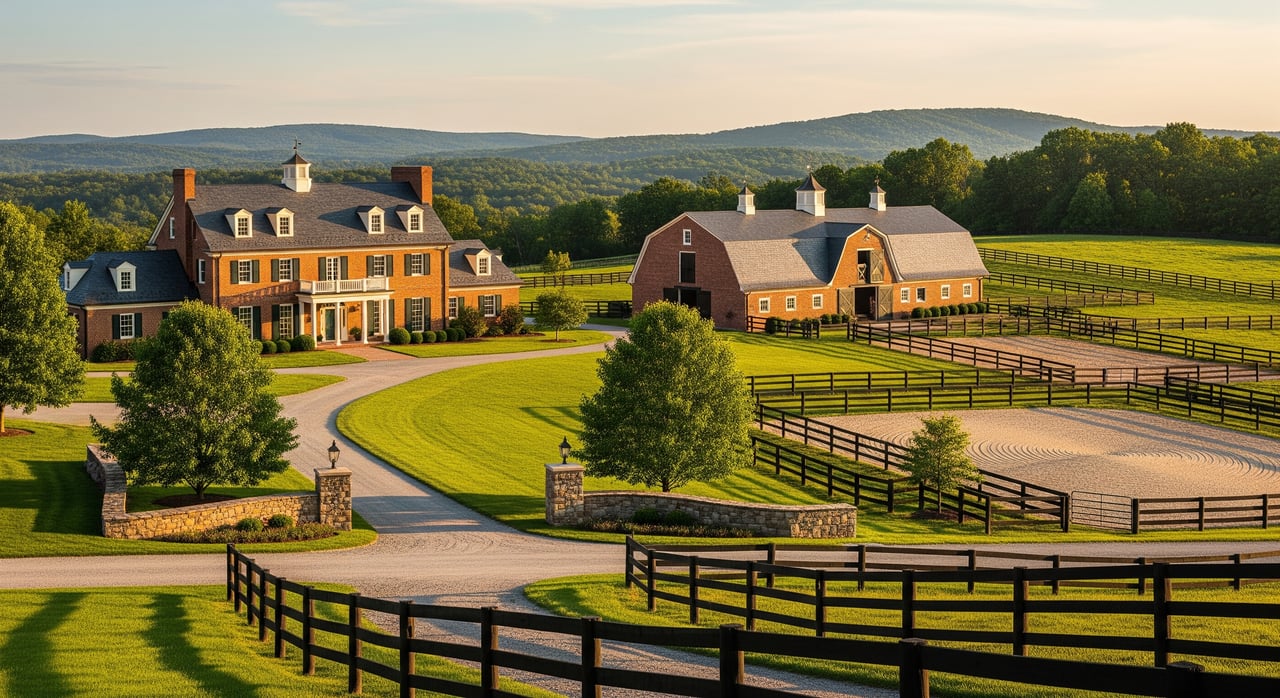
Are you torn between buying open acreage in Middleburg and building your dream horse facility or snapping up a ready-to-ride farm? Both paths can deliver the Hunt Country lifestyle you want, but the timelines, costs, and complexity are very different. You deserve clear guidance tailored to the way equestrian properties actually work in Loudoun County. In this guide, you’ll compare timelines, budgets, permitting, operations, and resale so you can choose with confidence. Let’s dive in.
Middleburg horse country at a glance
Middleburg sits at the heart of Loudoun County’s storied hunt country, with a high concentration of horse farms, foxhunts, steeplechase events, and private riding land. This culture creates strong demand for equestrian-ready properties, especially among Washington, DC area buyers seeking privacy, prestige, and immediate usability. You will also encounter rural-conservation zoning patterns and conservation easements that shape what can be built and where.
Local decision makers and reference points include county Planning and Zoning and Building and Development, the Commissioner of the Revenue for tax classifications, the Virginia Department of Health for septic, and federal and state tools for soils and floodplain review. These resources help you confirm feasibility before you commit.
Option 1: Buy land and build
Timeline and patience
Building from raw land offers full customization, but it requires patience. A realistic timeline to reach “rideable” status ranges from 6 months to 2 years. The sequence typically includes feasibility studies and soils testing, county approvals and permits, then site work and construction that depend on weather and contractor availability.
If your project needs variances or conditional use permits, build time can stretch. Simple projects with no variances often see approvals in a few months, while complex or contested plans can take a year or more. If you need to be in the saddle soon after closing, factor this carefully.
Cost drivers to budget
Raw land often costs less up front, but improvement costs are significant and variable. Budget for:
- Site evaluation and surveys: approximately 2,000 to 15,000+ depending on scope.
- Septic system: about 10,000 to 50,000+ depending on soils and system type.
- Well: roughly 5,000 to 20,000+ based on depth and equipment.
- Driveways and grading: about 10,000 to 100,000+ for long private drives and drainage work.
- Barns and fencing: a simple run-in or pole barn can run 50,000 to 150,000; custom barns with stalls, plumbing, and tack rooms can range from 200,000 to 1M+ depending on scale and finishes.
- Arena construction: outdoor arenas generally range from 20,000 to 150,000+ depending on drainage, base, and footing. Indoor arenas are substantially more expensive.
Costs can escalate if you encounter rock, steep slopes, wetlands, or long utility runs. Plan a 10 to 20 percent contingency to manage unknowns.
Regulatory and site constraints
Your site determines what you can build. Zoning districts and overlay districts control uses, setbacks, animal counts, and whether commercial equestrian operations need special permits. Soils will drive septic type and potential bedroom count, which affects both a residence and barn wash areas.
Check for wetlands, stream buffers, and stormwater requirements that reduce developable acreage and add engineering. Confirm well yield where water demand is higher for barns and arenas. If a conservation easement exists, understand how it limits building size, placement, and any future subdivision. Early due diligence protects your timeline and budget.
Operations and design advantages
Starting with land lets you design a farm that fits your program. You can orient barns and arenas for drainage and prevailing winds, plan rotational grazing, and set up biosecurity and traffic flow from day one. The trade-off is active project management and the need to assemble a trusted team of surveyors, engineers, contractors, and equine facility planners.
Option 2: Buy a turnkey horse property
Speed and predictability
Turnkey properties shine if you value immediate use and clearer costs. After a thorough inspection, you can typically move in and ride within days or weeks of closing. Most capital improvements are already in place, which reduces surprises.
You may inherit deferred maintenance, especially on older facilities. Build in funds for roofing, arena footing refresh, fence repairs, and manure handling upgrades. The upside is that you can enjoy the property right away while planning phased improvements.
What to inspect closely
A smart inspection goes beyond the house. Evaluate barn construction, stall sizes and ventilation, wash stalls and drainage, hay and feed storage, and electrical service. Assess the arena’s base, drainage, and footing, and verify paddock layout and fencing safety.
Look at manure management practices, driveway durability for trailers, and trailer parking and turnarounds. Confirm septic capacity and well performance. Identifying issues up front helps you negotiate or budget for upgrades.
Financing and holding costs
Turnkey farms are often financeable with conventional mortgages when used as a primary or second home. Appraisals should account for specialized structures like barns and arenas. If you plan a commercial boarding or training operation, expect lender questions about reserves and use.
Short term, maintenance may be higher if systems are older. Long term, you benefit from predictable operating rhythms and the ability to upgrade in stages without losing riding time.
Side-by-side: Which fits your goals?
Choose land and build if
- You want a custom layout, barn style, and arena specification matched to your program.
- You have the patience and appetite to manage a multi-phase project.
- Your timeline is flexible and you are comfortable with construction risk and contingency budgeting.
- You prefer long-term operational efficiency and are willing to wait for it.
Choose turnkey if
- You value immediate riding, turnout, and the ability to host horses right away.
- You want clearer total cost and simpler financing.
- You plan to phase upgrades while enjoying the property.
- You want faster access to local trainers, hunts, and events that define Middleburg’s lifestyle.
Lifestyle considerations
Turnkey gets you into the local scene quickly, which matters if you want to ride out, clinic, or hunt this season. Building delivers a legacy estate tailored to you. Both can support privacy and views, but location relative to hunt meets, show facilities, and commuting routes to the DC metro area will strongly influence daily life and future resale.
Due diligence checklist for Middleburg buyers
Use this checklist before you remove contingencies, whether you buy land or a turnkey farm:
- Property suitability: order a boundary and topographic survey; evaluate slopes, rock outcrops, and access points. Review soils and run perc tests for septic viability. Check FEMA flood maps and observe drainage patterns after heavy rain.
- Permitting and zoning: confirm zoning district, allowed equestrian uses, setbacks, and whether commercial operations need special permits. Ask county planners about site plan requirements, variances, and realistic timelines. Review any HOA or private covenants, including fencing or lighting rules.
- Utilities and infrastructure: determine public water and sewer availability. If private, obtain well tests and septic records. Verify electrical capacity for barns and specialized equipment, and confirm internet options for staff and operations.
- Environmental and nutrient management: understand Chesapeake Bay related nutrient management expectations that can affect manure handling and pasture care. Review historical agricultural use and potential contamination. Plan for erosion and stormwater compliance.
- Operational items: inspect barn structure, ventilation, stall sizes, wash stalls, and feed storage. Review arena condition and orientation, fencing type and safety, paddock layout for rotational grazing, and manure storage and removal.
- Financial and legal: run a title search for easements, liens, or conservation restrictions. Review property tax history and whether Virginia Land Use assessment applies. Confirm lender requirements for your chosen path and obtain insurance quotes for farm structures and liability.
Financing and tax planning basics
How lenders view each path
Turnkey is generally the simpler route for financing. Conventional mortgages are common for primary or second homes, with appraisals that account for equestrian improvements. For raw land and construction, expect a combination of land and construction loans that may require 20 to 40 percent down and carry higher rates.
Affluent buyers often use portfolio or private lending to streamline builds. Discuss the end game early so you can convert to permanent financing smoothly once construction is complete.
Building a realistic budget
Your total project budget should include professional design and engineering fees, grading and drainage, utilities, structures, landscaping, fencing, and arena construction. Add a 10 to 20 percent contingency to handle rock, soil remediation, or permitting adjustments. Set aside an operating reserve for labor, hay, vet and farrier care, utilities, and manure hauling during year one.
For turnkey, budget for inspections and near-term maintenance like footing refresh and fence replacement. Functional obsolescence can become a negotiation point if barns or arenas need modernization.
Conservation and land use taxes
Virginia Land Use taxation can materially reduce property taxes for qualifying agricultural or forest uses, but it requires ongoing compliance and may trigger roll-back taxes if the use changes. Conservation easements can deliver tax benefits and protect the land’s character while limiting development and future subdivision. Align these tools with your long-term goals and estate planning.
Resale and long-term value
Turnkey properties often command a premium because they reduce the time to ride and may offer immediate income potential from boarding or lessons. The buyer pool is smaller but motivated. A well-executed land build can create a highly desirable, efficient property that matches the area’s top comparables.
For both paths, location is paramount. Proximity to hunt territories, show venues, and DC commuting routes weighs heavily in Middleburg and wider Loudoun County. Strong pastures, safe fencing, and a logical barn-to-paddock flow will always appeal to future buyers.
Your next steps
- Step 1: Start with feasibility. Engage an equestrian-versed agent and order survey, soils testing, and wetland or stream reviews.
- Step 2: Meet with county planning and building staff to map required permits, site plan steps, and likely timelines.
- Step 3: Obtain lender pre-approval for your preferred route and discuss budget ranges, including construction.
- Step 4: Gather preliminary designs and contractor estimates before removing contingencies on any land purchase.
- Step 5: If buying turnkey, commission detailed inspections of the home, barns, arena, fencing, and infrastructure with an eye to drainage and manure handling.
When you are ready to compare specific parcels or farms, connect with a local, equestrian-focused advisor who can translate your program needs into a clear plan. For bespoke guidance and a curated search in Hunt Country, reach out to Kristin Dillon-Johnson.
FAQs
How long does it take to build an equestrian facility in Middleburg?
- Expect 6 months to 2 years from feasibility through permits and construction, depending on approvals, weather, and contractor availability.
What are typical costs for well, septic, and arenas in Loudoun County?
- Wells often run about 5,000 to 20,000+, septic systems about 10,000 to 50,000+, and outdoor arenas about 20,000 to 150,000+ based on site and specifications.
Do I need special permits for a private barn in Loudoun County?
- It depends on zoning and use; private barns can be by-right while commercial boarding or events may require special approvals, so confirm with county planners early.
How do conservation easements affect building and resale?
- Easements can lower taxes and protect land but restrict development and future subdivision, so review terms before purchase and align them with your long-term plans.
Can I finance a turnkey horse farm with a conventional mortgage?
- Often yes for primary or second homes, with appraisals that consider barns and arenas, though lenders may ask for reserves if you plan commercial activity.
What inspections should I order for a turnkey horse property?
- Beyond the home, inspect barns, electrical, roofing, arena base and footing, fencing, drainage, manure storage, well yield, and septic capacity to plan upgrades and budget.