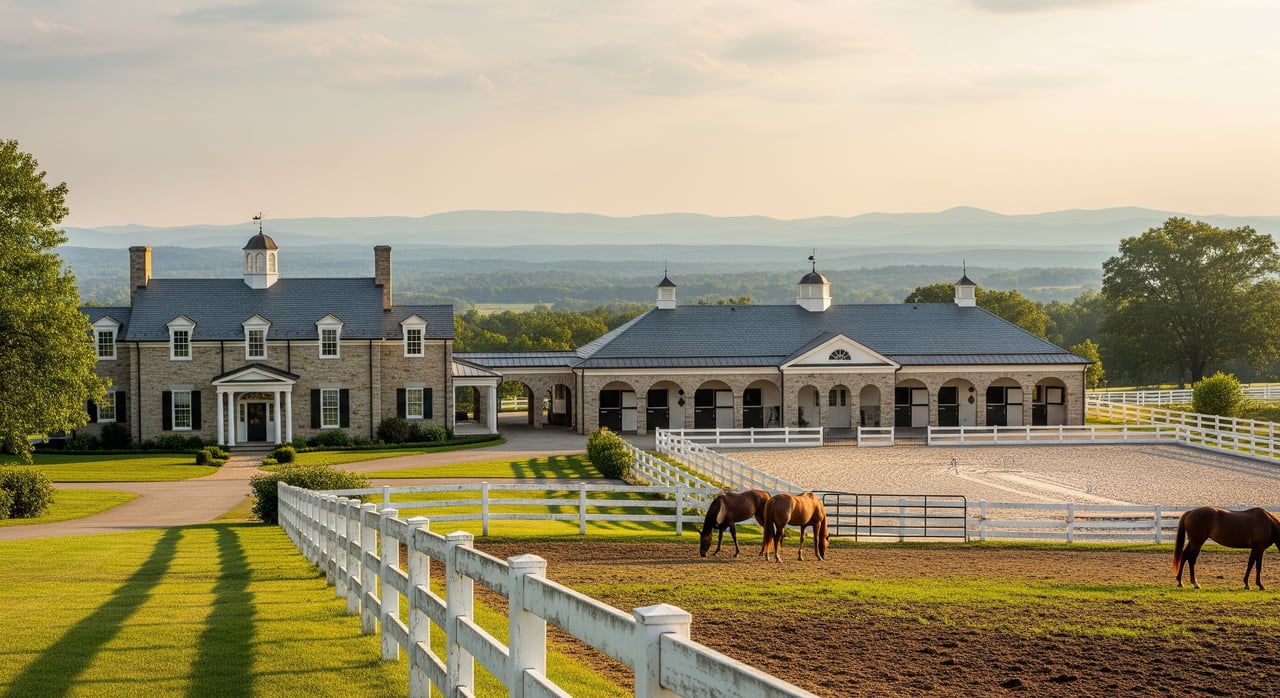
Picture this: the perfect Hunt Country spread with a tidy center-aisle barn, safe paddocks, and a cozy farmhouse near Bluemont. You can see your horses settling in, but the path to financing feels unclear. You are not alone. Equestrian properties mix residential and agricultural features, which makes lenders ask more questions and appraisers take extra care. In this guide, you will learn which loan types fit, what documents to gather, which inspections to plan for, and the local steps that matter in Clarke County. Let’s dive in.
Start with intended use
Before you speak with a lender, decide how you plan to use the property. This shapes your loan options and documentation from the start.
- Hobby or residential use: You live on the property and keep personal horses. Income from horses, if any, is incidental.
- Commercial or income-producing use: You plan to board, train, teach, or host events for pay. This adds business documentation and may change your financing path.
Being clear about use helps you pick lenders, set expectations, and avoid delays.
Choose a loan path that fits
Not all mortgages work the same way for horse properties. The right choice depends on price point, acreage, improvements, and whether the use is hobby or commercial.
Conventional loans
Conventional loans can work well for owner-occupied, primarily residential properties. Lenders will look closely at acreage, barns, and arenas to confirm the home is the main use. Down payments often range from 10 to 20 percent for strong files, and some programs allow lower. If the property is clearly a hobby farm, this is often the first stop.
Jumbo loans
Prices near the DC metro can cross conforming limits. If your purchase price is higher, you may need a jumbo loan. Expect larger down payments, stricter credit standards, and possible reserve requirements. Many equestrian purchases in Northern Virginia fall here due to land and improvement value.
Portfolio loans
Local banks and credit unions sometimes keep loans on their own books. These portfolio products can be more flexible with unusual acreage, nonstandard income, or unique improvements. Rates and fees can be a bit higher, but flexibility often offsets the cost for one-of-a-kind properties.
USDA, FHA, and VA
- USDA Rural Development can be attractive for eligible rural areas and income levels. It is not a fit for properties that are primarily commercial or very large farm operations.
- FHA and VA can work for owner-occupied homes on small acreages that are primarily residential. Property eligibility rules apply, and large commercial-style equine operations can create appraisal hurdles.
Farm Credit and agricultural lenders
If you are buying an income-producing equestrian business, consider Farm Credit associations or agricultural banks. These lenders understand land, equipment, and operations and offer products built for working farms and commercial equine facilities.
Construction or renovation loans
If you plan to build or extensively improve a barn, arena, or home, a construction-to-permanent or renovation loan may be needed. Standard rehab programs may not cover all agricultural structures, so confirm with your lender early.
What lenders look for
Equestrian properties are underwriting outliers. Expect more documentation and closer review.
- Occupancy and use: Primary, second home, or investment. Commercial equine activity increases scrutiny.
- Income: If horse-related income appears on your tax returns, lenders review two years of returns and may analyze Schedule F or Schedule C.
- Appraisal and marketability: Rural comps are limited. Appraisers may expand the search area or use the cost approach for barns and arenas.
- Condition and utilities: Well and septic performance, road access, and the condition of barns and fencing matter for safety and resale.
- Environmental and land factors: Wetlands, floodplain, conservation easements, and land-use programs can affect value and lending.
- Insurance and liability: Horses and boarding can require special liability coverage. Lenders will confirm insurability of the dwelling and improvements.
Typical money and credit ranges
Every file is different. These are common ranges that help you plan.
- Down payment: Conventional hobby-use purchases often 10 to 20 percent. Jumbo 10 to 30 percent. USDA can be zero down if eligible. FHA and VA offer lower down options for qualifying buyers.
- Debt-to-income: Many conventional lenders target about 43 percent, with some allowing higher with strong compensating factors.
- Reserves: Plan for extra cash reserves, often 3 to 12 months of payments, especially for rural or complex properties.
- Credit score: Higher scores can improve terms. Jumbo lenders often set stricter minimums.
Your financing prep checklist
Being organized reduces stress and speeds up underwriting. Use this list to prepare.
Standard documents
- Two years of federal tax returns with all schedules
- Recent pay stubs and W-2s, or business returns if self-employed
- Two to three months of bank and asset statements
- Explanations for large deposits and transfers
- Photo ID and Social Security number or ITIN documentation
Property and operation documents
- Profit and loss statements and business tax returns if boarding or training for income
- Copies of leases, boarding, or training agreements
- Current insurance declarations or quotes for farmowner and liability coverage
- Recent survey or plat if available
- Appraisal through your lender and any prior appraisals if you have them
- Well yield and water quality results, plus septic inspection
- Structural review of barns, stalls, and any arena surfaces
- Road or driveway maintenance agreements and easements if private
- Zoning confirmations or permits for commercial equine use
- Environmental reports if wetlands or special risks are present
- HOA or restrictive covenants if applicable
Plan for these inspections
Inspections protect you and help the appraiser support value.
- Well flow and water quality testing, including yield if you need irrigation
- Septic capacity and functionality
- Structural checks for barns, roofs, posts, electrical, and ventilation
- Fencing condition and boundary verification
- Soil and drainage assessment for paddocks and arenas
- If commercial use is planned, review any health, safety, or business permits
Provide builders’ receipts, photos, and maintenance records for major improvements. This helps support value for specialized items like stall systems, arena footing, and automatic waterers.
Bluemont and Clarke County specifics
Bluemont sits in rural Clarke County. Local zoning, land-use programs, and conservation easements can shape what you can build and how you can operate.
- Zoning and permitted use: Confirm if boarding or training is allowed by right or needs a special use permit.
- Setbacks and structure limits: Barns, arenas, and accessory buildings must meet county rules.
- Environmental and manure management: Expect requirements for erosion, wetlands, and waste handling.
- Driveway and access: New or modified entrances on state roads may require Virginia Department of Transportation review.
- Fire protection distance: Some insurers factor distance to the nearest volunteer fire department.
- Conservation easements and land-use programs: These can reduce taxes but may limit subdivision and new structures.
Your agent and lender can help you identify the correct county offices to confirm parcel-specific answers before you make an offer.
Insurance and liability
Standard homeowner policies often do not cover commercial equine exposure. At a minimum, you will need hazard coverage for the home and structures used as collateral. If horses are present, especially with paid boarding or lessons, you may need farmowner or equine liability coverage and possibly an umbrella policy. Insurability can affect lending, so get quotes early in your process.
Timeline and what to expect
Unique rural properties take longer to appraise and underwrite. Plan for a 30 to 60 day window from contract to close on a typical owner-occupied equestrian purchase. Appraisals can take 2 to 3 weeks or more if a specialized appraiser is required. Well, septic, and structural inspections can add 1 to 3 weeks. Complex income files or unusual parcels can add another 1 to 3 weeks for underwriting.
A simple step-by-step plan
Follow this path to stay in control of your purchase.
- Clarify use and budget. Decide hobby versus commercial and set your price range, down payment, and reserve goals.
- Get pre-approved with an equestrian-savvy lender. Share your intended use, acreage, and improvement details upfront.
- Assemble your documents. Use the checklist above and gather insurance quotes early.
- Vet the property. Confirm zoning, access, easements, and any conservation or land-use program participation.
- Inspect early and thoroughly. Order well, septic, and barn inspections as soon as you are under contract. Provide records to the appraiser.
- Build in time. Negotiate a realistic closing timeline and keep all vendors scheduled and in sync.
With the right plan, you can move from dream to driveway with confidence.
Ready to talk through loan options or pressure-test a property’s fit for your goals near Bluemont? Connect with Kristin Dillon-Johnson to schedule a free consultation.
FAQs
How much down payment is typical for a horse property?
- Conventional hobby-use purchases often need 10 to 20 percent down, jumbo loans 10 to 30 percent, USDA can be zero if eligible, and FHA or VA offer lower down options for qualifying buyers.
Can I use a conventional loan if I plan to board horses for income?
- Possibly, but lenders treat income-producing use differently, may require business documentation, and sometimes recommend portfolio or commercial products.
Are there lenders who specialize in equestrian properties?
- Yes; community banks, credit unions, Farm Credit associations, and some brokers focus on rural and agricultural lending and can be more flexible.
Which inspections can slow my closing timeline?
- Well yield and water quality tests, septic inspections, specialized structural reviews of barns and arenas, and environmental or wetlands assessments often add weeks.
Will the barn and arena be included in the appraisal?
- Yes; outbuildings and improvements are considered, and providing receipts, photos, and maintenance records helps support value.
What insurance will my lender expect?
- Hazard coverage for the home and structures, plus farmowner or equine liability and possibly umbrella coverage if horses or paid activities are present.