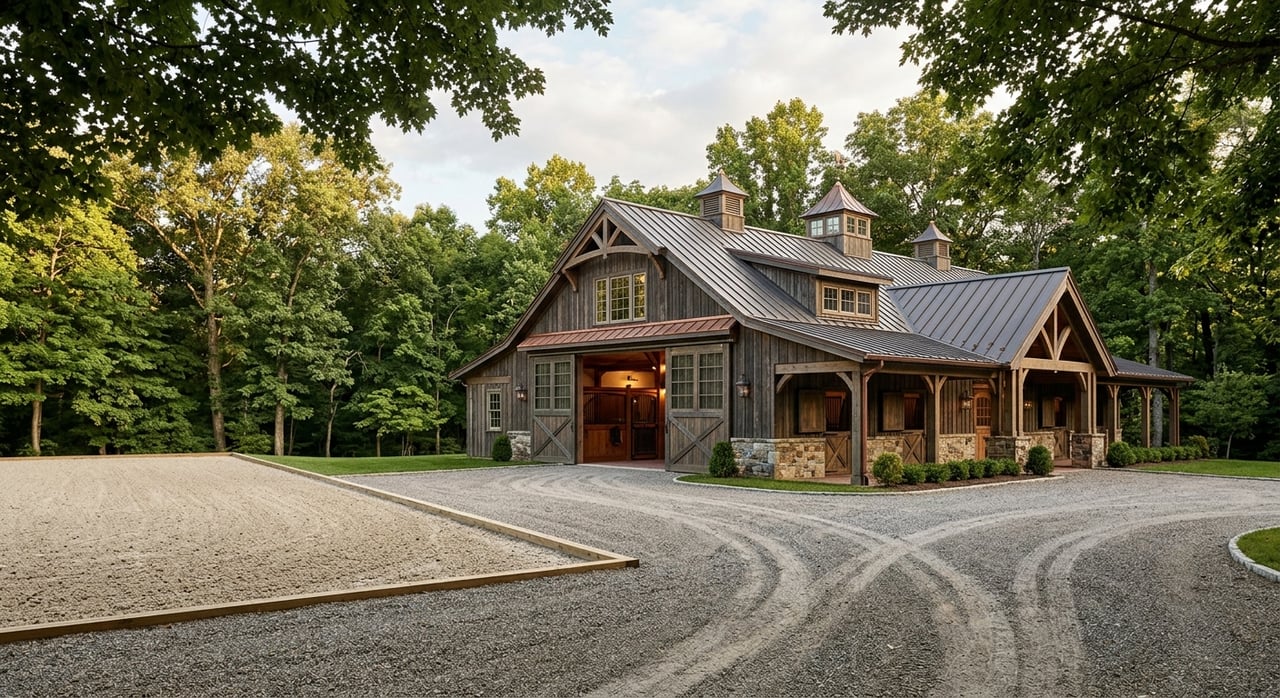
If you are shopping for a horse property in Bluemont, it is easy to fall for the views first. Rolling land, barn charm, and a ring in the distance can make a property feel like the answer. But in this part of western Loudoun, a horse property needs to work in real life, not just look the part. This checklist will help you evaluate barns, rings, ride-out, and the local rules that can shape how you use the property now and later. Let’s dive in.
Why Bluemont Takes Extra Review
Bluemont is not a typical suburban horse market. It sits within a county Historic & Cultural Conservation District, and the area also carries a broader Rural Historic Village designation, which means property character, exterior changes, and land-use review can matter more here than in many other locations. Before you assume a future barn expansion, fence upgrade, or driveway change will be simple, it is worth understanding how local review may apply.
Loudoun County also describes its western rural road corridors as serving farms, farm markets, equestrian facilities, wineries, and breweries. That rural setting is part of Bluemont’s appeal, but it also means you should look closely at access, site conditions, and how a property functions day to day. In horse country, the prettiest parcel is not always the easiest one to use.
Check Ride-Out First
For many buyers, ride-out is the feature that matters most. In Bluemont, you should confirm it rather than assume it. A trail name on a map or a nearby park entrance does not automatically mean easy, legal, or practical riding access from the property.
Loudoun County notes that its rural network includes more than 250 miles of unpaved roads, and the county says these roads have a natural traffic-calming effect that permits shared use for horseback riding and hiking. That can be a real advantage for horse owners who want to hack out from home. Still, every property should be evaluated on its actual connection to those roads, sight lines, traffic conditions, and how safely you can leave and return to the farm.
If you expect to trailer out, nearby Sky Meadows State Park offers 10.5 miles of bridle trails, horse trailer parking at Lost Mountain, and access to the Appalachian Trail. The park requires a negative Coggins for each horse brought onto the property. Loudoun County park trails also include dedicated equestrian trails, with rules that require a rider waiver, an ASTM/SEI helmet, current negative Coggins documentation, and trailer parking only in designated areas.
Ride-Out Questions to Ask
- Can you safely ride directly off the property?
- Are nearby unpaved roads practical for regular riding?
- Will you need to trailer for most schooling or trail riding?
- Is there enough room on-site to load and turn a trailer easily?
- Do local trail rules affect how you plan to use the property?
Inspect the Barn as a Work Space
A barn should support your daily routine, not create extra labor and expense. When you tour, focus on how air, water, feed, manure, horses, and vehicles move through the site. That practical flow often tells you more than fresh paint or a tidy aisle.
Penn State Extension points buyers toward several hidden-cost issues, including ventilation, manure handling, fire protection, stall dimensions, flooring, drainage, and fence planning. Those items may not be obvious during a quick showing, but they can shape both horse safety and long-term ownership costs.
Manure and wash stall management deserve special attention. Penn State also notes that manure handling should be planned, wash stalls should have impermeable flooring and drains that lead to an approved discharge area, and stall drains should not sit in the middle of the stall where bedding can clog them. If the property has drainage problems around the barn, you may be inheriting a recurring issue.
Barn Checklist for Showings
- Check whether the barn feels well ventilated
- Look at stall size and overall layout efficiency
- Ask where manure is stored and how it is removed
- Review wash stall flooring and drain placement
- Watch for low areas where water may collect
- Note how easily feed, bedding, and equipment move through the site
- Look for overhead hazards or obvious safety concerns
Evaluate Turnout and Pasture Carefully
Turnout problems can become expensive fast. Mud, poor drainage, weak fencing, and awkward gates can affect daily management and increase maintenance needs. A property may have ample acreage on paper but still offer limited practical turnout.
Rutgers guidance recommends looking for well-drained footing, sturdy fencing, gates wide enough for safe horse and equipment movement, and paddocks free of debris, foreign objects, and obvious mud traps. If a property includes a sacrifice or all-weather paddock, that area should ideally sit on higher ground with good drainage rather than in a low spot that holds water.
This is also where a buyer’s intended use matters. If you need separate turnout groups, quarantine space, or easy access for a tractor or manure spreader, make sure the current layout supports those goals. Layout efficiency is just as important as acreage.
Look at the Ring Like You Will Use It
A ring should be inspected as a real riding surface, not just an open rectangle. Good arena footing depends on discipline, maintenance habits, and drainage. If you plan to school regularly, footing condition and upkeep can affect both horse performance and your budget.
According to Penn State, a good riding surface should provide cushioning and traction without becoming too slick, dusty, or abrasive, and the best footing material depends on the type of riding and how much maintenance you can realistically perform. That is why one buyer may love a ring that another buyer should avoid.
Rutgers also advises that arena footing should be even, fences should be sturdy, and overhead hazards should be removed. If you want to school fences, work cattle, or host clinics for personal use, inspect the ring for levelness, drainage, and surrounding safety, not just size.
Ring Questions to Ask on Tour
- What footing material is in place now?
- Does the surface feel level and consistent?
- Is there visible standing water or evidence of washout?
- How much maintenance does the footing require?
- Do fences, lights, or nearby structures create safety issues?
- Is the ring suitable for your discipline and training routine?
Test Trailer Access in Real Terms
Trailer access is one of the easiest things to overlook. A property may technically have a driveway and gate, but that does not mean your truck and trailer can move through it comfortably. Tight turns, steep approaches, narrow gates, and limited backing room can become everyday frustrations.
Loudoun’s zoning text ties some horse-oriented uses to public-road access standards. For certain support uses involving heavy equipment, direct access to a public road is required rather than access by private easement. Even if your planned use is private, it is wise to test driveway geometry, gate placement, turning space, and overall approach during a showing.
If you are considering a larger trailer, frequent farrier or veterinary visits, hay deliveries, or future equipment needs, access deserves extra scrutiny. What works for a small bumper pull may not work for a larger rig.
Verify Zoning Before You Close
In Bluemont, zoning questions should be answered parcel by parcel. Loudoun County adopted a new zoning ordinance effective December 13, 2023, and the county says the official zoning map is the final authority for current zoning status. If you may eventually want boarding, lessons, clinics, or events, verification with Planning & Zoning should happen before closing.
The county’s current text separates Stable, Livery from Equestrian Event Facility uses. It lists Stable, Livery at 15 acres and Equestrian Event Facility at 25 acres, with separate intensity and access standards in the use-specific regulations. In practical terms, a property may be ideal for private horses but still not qualify for broader commercial equestrian activity.
Zoning Questions Worth Confirming
- What is the parcel’s current zoning designation?
- Does the current use match the zoning status?
- Would your intended future use require different approvals?
- Does acreage support the use you have in mind?
- Does road access meet the applicable standards?
Understand Historic District Review
Bluemont’s historic setting is part of its charm, but it can also affect future improvements. Loudoun County states that in county historic districts, new structures, demolition, or alterations generally require Certificate of Appropriateness review for buildings, fences, and signs. The county does exempt farm fences and bona fide farm buildings primarily used for agriculture or horticulture.
That distinction matters for horse property buyers. If you plan to add a new run-in shed, replace boundary fencing, expand a barn, or make visible exterior changes, it is smart to understand which items may be exempt and which may require review. A purchase decision should reflect not just what the property is today, but also what you hope it can become.
Check Slopes, Drainage, and Site Work Limits
In the Bluemont area, topography can shape both usability and cost. Parcels near the mountains should be checked for steep-slope and mountainside overlay impacts. Loudoun County says moderate slopes are 15% to 25% and very steep slopes are greater than 25%, and the Mountainside Development Overlay District is intended to reduce erosion, slope failure, and other land-disturbance risks.
If you plan to regrade a barn pad, widen a driveway, or build a ring, site work may trigger additional review. Loudoun County says land disturbance over 5,000 square feet requires a grading permit, and sensitive slope or mountainside areas may face tighter oversight. The county’s Locational Clearance Review Mapping Tool can help you measure proposed clearing and grading, identify overlay districts, and map features such as wells and driveways before applying.
Your Bluemont Tour Checklist
When you walk a horse property in Bluemont, keep these questions in mind:
- Can you truly ride off the property, or will you trailer most of the time?
- Does the barn support efficient daily horse care?
- Are manure, drainage, and wash stall systems set up properly?
- Are turnout areas dry, safe, and practical to maintain?
- Is the ring level, usable, and appropriate for your discipline?
- Can your truck and trailer move through the property comfortably?
- Will zoning support your intended use now and later?
- Could historic-district review, slope conditions, or grading rules limit future improvements?
In Bluemont, the best horse property is defined by function as much as beauty. Access, drainage, zoning, and review requirements can make the difference between a property that photographs well and one that truly supports your riding life. If you want a second set of eyes on barns, rings, ride-out, or parcel-specific questions, Kristin Dillon-Johnson offers the kind of local, equestrian-informed guidance that helps you buy with confidence.
FAQs
What should you check first when buying an equestrian property in Bluemont?
- Start with ride-out access, barn function, drainage, trailer access, and parcel-specific zoning because these factors often affect daily use more than looks or acreage.
Does a Bluemont horse property automatically allow trail riding from home?
- No. You should confirm actual off-property riding access, road conditions, and nearby trail rules rather than assuming access based on a map.
What barn issues matter most on a Bluemont horse property tour?
- Focus on ventilation, stall layout, manure handling, wash stall drainage, flooring, and how horses, equipment, feed, and vehicles move through the site.
What should you look for in a riding ring on a Bluemont equestrian property?
- Check footing consistency, drainage, levelness, fencing, and safety hazards, and make sure the surface fits your discipline and maintenance expectations.
Can zoning affect future equestrian use on a Bluemont property?
- Yes. Loudoun County’s zoning rules can affect whether a property supports private horse use only or broader uses such as boarding, lessons, clinics, or events.
Do historic district rules matter when buying a horse property in Bluemont?
- Yes. Future exterior changes, new structures, fences, or demolition may require review, although some farm fences and bona fide farm buildings used primarily for agriculture or horticulture may be exempt.